(Tw for rape, kidnapping, assault, racism & the shitty justice system)
so a man in Anchorage named Justin Schneider (i share the name because he needs his reputation destroyed) kidnapped a native alaskan woman, choked and beat her unconscious, then raped her and left her on the side of the road. hes received a plea deal in which he will get no jail time, will not be required to register as a sex offender, and was not even charged for the sexual assault. The DA said him losing his job over it was “akin to a life sentence” and that this is his “one pass.”
obviously, a big reason he got off is because he’s a white guy and she’s a woman of color.
Anyway, this guy needs his life and reputation destroyed since the justice system failed at their job of doing so. that’s why im sharing this.
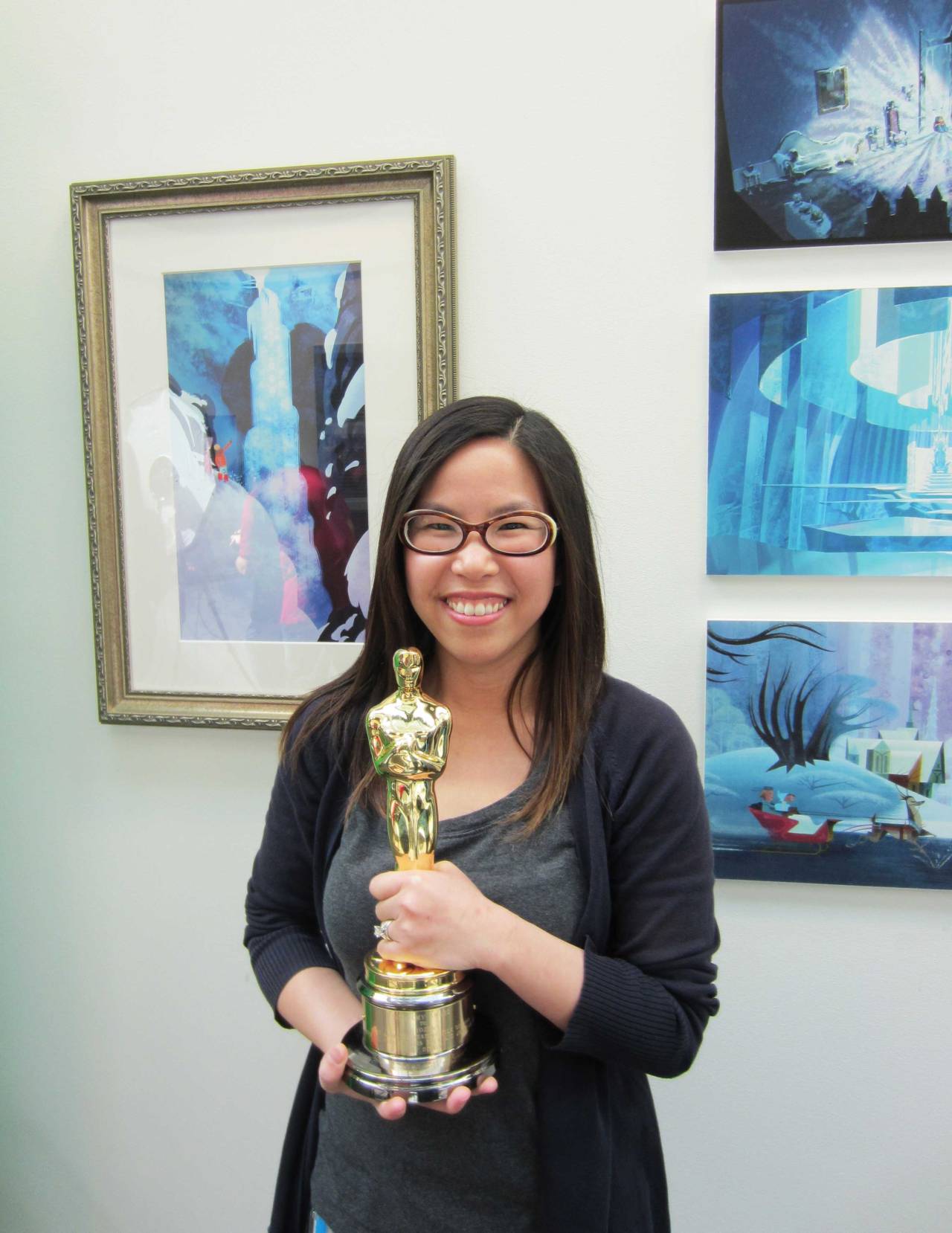
Women barely get any notice in animation let alone WOC so here’s an appreciation thread for them
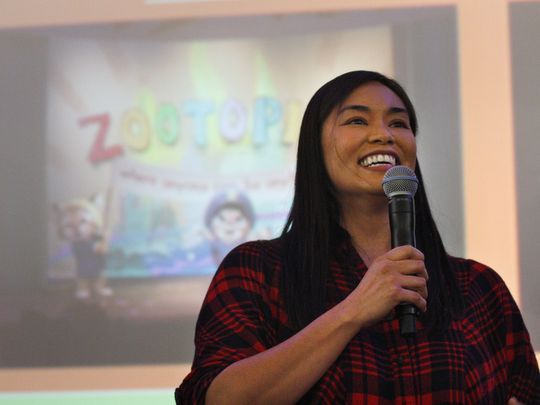
Josie Trinidad a Filipino story artist who was head of story on Zootopia,Wreck It Ralph and the upcoming Ralph Breaks the Internet
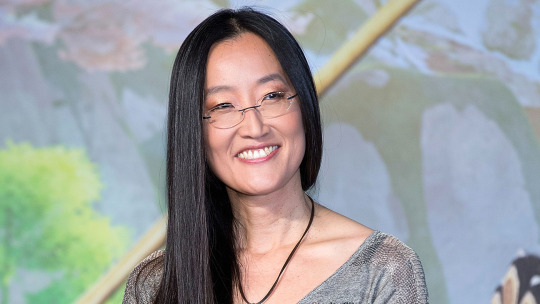
Jennifer Yuh Nelson is a Korean Story artist at Dreamworks also director of Kung Fu Panda 2 and Kung Fu Panda 3 Yuh is the first woman to solely direct an animated feature from a major Hollywood studio.
Fawn Veerasunthorn,who was born and raised in Thailand who moved to America to work at Disney without knowing English and now works at Disney Animation as a Story Artist and Story Supervisor
Domee Shi a Story Artist and Director at Pixar who was born China and Raised in Toronto she just recently directed Bao the short in front of the incredibles 2 and is now set to direct her first full length feature at Pixar
I’m tired of waiting for FinnRey to become canon and make out on each others faces like come on
Okay so Korea is a seriously sexist society, but these stories I hear from Japan about women being shamed for getting C-sections or epidurals are a whole different level. Zero (0) people blamed me or implied I was less of a mother for getting a C-section, and frankly if anyone did I’d have to be held back from beating the shit out of them. Like just admit you hate women, it saves time.
I would love that to happen. And to the people crying “Why not do a new thing?” Well… that really comes down to the budget part. A sequel, side story, or new story isn’t going to get anywhere nearly the investment of a story that’s already enjoyed worldwide popularity for 10+ years now. That sucks, but it’s a business decision at heart and well in line with current trends. No one has to like it, but to act like the original show is some kind of holy thing that can’t be touched as opposed to a commercial property that can be used to make money, and even worse, to say Asian actors can’t surpass the original, mostly white VAs in portraying Asian characters? That’s just yikes.
Also it might just get tiring to do new additions to the series without end. Looking at the old with fresh eyes could be warranted and make for an interesting experience when compared to the original @lj-writes
Yeah, this geek fallacy that “my favorite thing is the height of perfection and nothing could improve on it” is old and tired, not to mention it intersects in obnoxious ways with the newer trend of greater diversity and representation. Maybe the new show will be great, maybe it won’t, but there’s really no point in tearing it down before we even know anything about it.
tumblr: when people include racist, sexist, homophobic, etc. ideas in their stories it has real life consequences
also tumblr: but ships are never problematic, what’s with all these “antis”? it’s just fictional and can’t affect anything
Just Anti Things: I honestly don’t see any difference between popular mass media and someone’s obscure fanfic
this….isn’t a new argument. we’ve had it before. many times. representation matters, people can also ship what they want. those don’t contradict each other.
Here’s the thing:
Fiction does not equal reality, nor does fiction have a 1:1 influence on reality.
However, good fiction — even (and in some ways especially) speculative and genre fiction — REFLECTS reality.
An example could be film noir, which experienced a boom during and directly after World War II because its gloomy moods, jaded protagonists, and disillusioned view of the world mirrored that of wartime and postwar America. Another could be the influx of ‘fuck the system’ films like “Bonnie and Clyde” or “One Flew Over the Cuckoo’s Nest” during the countercultral 60s and 70s (granted, this was also partially due to the lifting of the Hays Code and the end of the Hollywood Blacklist). Yet another could be the theory that zombie and vampire films experience surges in popularity depending on who’s president (according to the theory, zombies are rightists as seen by leftists and vampires are leftists as seen by rightists). Every piece of fiction, ultimately, is in at least some small way a product of its time and its creator. Even the most out-there fantasies or the grittiest thrillers have universal archetypes at their core. When someone sets out to write a story, they are at the core of it either writing about their own experience, or writing about some aspect of the human condition that fascinates them. (Which is where “problematic” content comes in, because let’s be real: many, many aspects of the human condition aren’t pretty.)
So, the anti-anti/pro-fiction belief is as follows:
1: Fiction is not reality. Writing about something does not mean that you condone it IRL. 2: Fiction does not directly influence reality in a ‘monkey see, monkey do’ sense. Someone who had no plans to commit an atrocious act isn’t suddenly going to start making those plans because they read in a novel about said act being committed. Furthermore, someone who is psychologically able to distinguish reality from unreality, and morally able to distinguish an acceptable action from an unacceptable one, isn’t going to start condoning atrocious acts committed by other real-life people because they read about them in a novel. 3: Fiction does reflect reality. Representation matters because everyone deserves to see their own reality reflected in the stories they consume — and, for the general betterment of society, everyone needs to see other people’s realities reflected in the stories they consume, because the old adage about not judging someone’s life until you’ve walked a mile in their shoes holds true. Furthermore, if stories are being produced that are sexist/racist/homophobic/transphobic/ableist — especially if it’s a recurring trope — that needs to be addressed because it reflects the sexism/racism/homophobia/transphobia/ableism present in culture at large; for example, the “Bury Your Gays” trope, which originated with restrictions present in the Hays Code, draws such backlash because LGBTQ+ audience members want fiction to reflect that our culture has grown in acceptance of LGBTQ+ people since the Hays Code era.
TL;DR: “People should be allowed to write and read what they want because fiction isn’t reality” and “Representation matters because fiction should reflect ALL realities,” are not mutually exclusive ideas, and, in fact, both are important to understand in order to criticize media responsibly.
I suppose I shouldn’t be suprised that this is what ended up happening to the post, but I think it’s good opportunity to point out something
for like 90, 95% of cases, “antis” (wish there was a better term) and antiantis actually agree
I literally agree with everything the person above said.
Most antis are NOT saying you shouldnt be allowed to reflect reality. For some reason, antianti’s understanding of anti’s position is almost always this strawman
People aren’t saying you can’t show murder, or pedophilia, or racist things
We’re just saying you shouldn’t be condoning them, or romanticizing them. That’s it. Whether that’s in fiction or fanfiction or in posts online.
Point 2 is something I really agree with! That’s why “video games make people violent” is wrong.
But that’s not what I’m talking about. I’m not talking about a monkey see monkey do kind of thing.
“Furthermore, if stories are being produced that are sexist/racist/homophobic/transphobic/ableist— especially if it’s a recurring trope—that needs to be addressed.“ This is all I’m saying. This is literally the whole “anti” argument.
It’s frustrating that most people reblogging this post now will probably never see my clarifications, but I hope a few people will.
Also this is exactly why “anti” and “antianti” are such bad terms. Anti WHAT? The long but more accurate terms would be “believes even fan fiction and shipping can spread problematic ideas” and “believes fan fiction and shipping don’t have that kind of power.”
Okay but jumping back a few posts… “the difference between mass media and obscure fanfic” seems to be referencing the major difference being the size of the consumer base… but like, since when was how much you were influenced by a piece of media dependent on the number of people who also read that media?
The thing about the fanfic community is that, yeah, each individual fanfic could have no more than 20 readers they might potentially influence, but that’s still 20 people your work might have real life consequences for, 20 people you might have an impact on.
And unless you’re writing in a void, chances are, you’re not just a single obscure fanfic that might influence 20 people but part of a trend, one fic of many that also follows those same trends which those 20 readers and more are specifically searching out and consuming in as great a quantity as they can. There’s a huge difference in influence between consuming one piece of media with Thing in it and consuming many pieces of media with Thing in it, with the higher consumption side being more influential in favour of Thing… and fanfic readers are wont towards consuming fanfic en mass.
As someone who grew up in fanfic… recurring problematic things in fanfictions had way more of an influence on me than problematic things I encounter in isolation in mass media. Especially regarding things I, as a lonely preteen and later lonely teenager (right up until I wasn’t), had no experience with in the real world like social behaviours and norms portrayed in fanfic after fanfic.





 L.J.'s Obsessions